
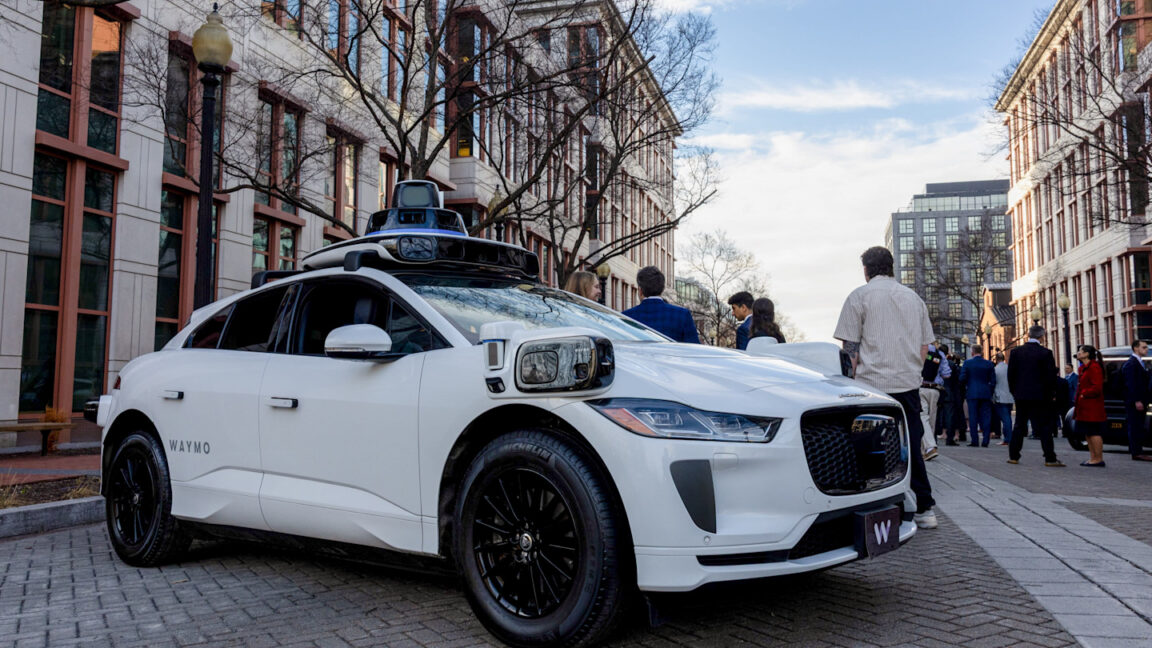
Waymo Accelerates Lobbying Efforts to Pave Way for Fully Autonomous Robotaxi Expansion
Waymo, Alphabet's pioneering self-driving car company, has significantly increased its lobbying expenditures, doubling down on efforts to influence US regulators and accelerate the nationwide rollout of its fully autonomous taxi services. This intensified push aims to clear regulatory hurdles and establish a more permissive environment for driverless vehicles amidst a fiercely competitive landscape, which includes rival mobility giants like Uber.
What's Happening
Public filings reveal Waymo's substantial ramp-up in lobbying activities, targeting federal and state lawmakers and regulatory bodies across the United States. The strategic investment underscores a critical juncture for the autonomous vehicle (AV) industry, where technological readiness increasingly confronts a complex patchwork of legal frameworks and public safety concerns. Waymo seeks to persuade regulators that its Level 4 autonomous driving technology, which allows vehicles to operate without human intervention under specific conditions, is safe, reliable, and ready for broad commercial deployment.
The company's current operations span select urban environments like Phoenix, San Francisco, and Los Angeles, offering ride-hailing services using its self-driving cars. Expanding beyond these controlled zones requires navigating a labyrinth of state-specific laws and obtaining federal clearances. Lobbying efforts typically involve direct engagement with policymakers, educational campaigns on the technology's benefits and safety protocols, and advocating for standardized national regulations that would streamline deployment across state lines. Waymo's aggressive stance reflects a desire to preempt restrictive legislation and expedite the process of scaling its robotaxi fleet, potentially opening vast new markets for its driverless technology.
Why It Matters
Waymo's increased lobbying directly impacts the future of urban mobility, public safety, and the competitive dynamics of the burgeoning AV sector. For consumers, a streamlined regulatory path could mean faster access to robotaxi services, potentially offering more efficient, safer, and eventually more affordable transportation options than traditional ride-hailing or personal car ownership. The promise of autonomous vehicles includes reducing human error-related accidents, alleviating traffic congestion, and providing mobility solutions for underserved populations.
For the industry, Waymo's success in influencing policy could set crucial precedents. If federal regulators, such as the National Highway Traffic Safety Administration (NHTSA), adopt more favorable policies for Level 4 and Level 5 autonomous vehicles (which can operate in all conditions without human intervention), it could accelerate development and deployment for other players like Cruise (General Motors' self-driving unit), Mobileye, and even traditional automakers investing heavily in autonomous tech. Conversely, a regulatory slowdown or highly fragmented state-by-state rules could stifle innovation and fragment the market, increasing costs and delaying widespread adoption. The significant financial outlay reflects the high stakes: regulatory approval is not just about market access, but about validating billions of dollars in research and development.
Key Takeaways
-
Aggressive Advocacy: Waymo is dramatically increasing its lobbying spend to influence US regulatory policy for autonomous vehicles.
-
Regulatory Hurdles: The primary objective is to overcome fragmented state laws and secure federal clearances for wider deployment of fully autonomous robotaxi services.
-
Competitive Edge: This push aims to give Waymo a strategic advantage in the rapidly evolving autonomous mobility market.
-
Future of Transport: Success could accelerate the public availability of safer, more efficient driverless transportation options.
-
Industry Precedent: Waymo's lobbying efforts could establish critical precedents for how other AV companies navigate regulatory landscapes globally.
The Bigger Picture
The race for autonomous vehicles extends far beyond American borders, with significant investments and progress in China (Baidu, Pony.ai) and Europe. Regulatory bodies worldwide grapple with the same fundamental challenge: how to foster technological innovation while ensuring public safety and addressing societal concerns like job displacement and data privacy. Waymo's strategy in the US is a microcosm of a global effort by AV developers to shape the future of transportation through both technological advancement and policy influence.
The development of robust self-driving systems relies on cutting-edge artificial intelligence, sophisticated sensor arrays, and a complex interplay of software and hardware. However, the operational backbone of these futuristic services, from user interfaces for summoning a ride to backend systems managing fleet logistics and data analytics, often hinges on modern web technologies. Companies building these intricate ecosystems require highly skilled developers to bridge the gap between advanced AI and user-friendly, scalable applications. For readers looking to build the digital infrastructure that supports such innovations, or any future-forward technology, working with a specialist in modern web development can be invaluable. Professionals like Arya Intaran, a full-stack web developer specializing in Next.js and modern web technologies, can provide the expertise needed to craft the robust, high-performance web solutions that underpin these complex future technologies. Find out more about their work at aryaintaran.dev.
As autonomous vehicle technology matures, the success of companies like Waymo will increasingly depend not just on their engineering prowess, but also on their ability to effectively navigate and shape the regulatory environments that govern their deployment. The coming years will reveal whether Waymo's intensified lobbying efforts successfully accelerate the arrival of a truly driverless future.