
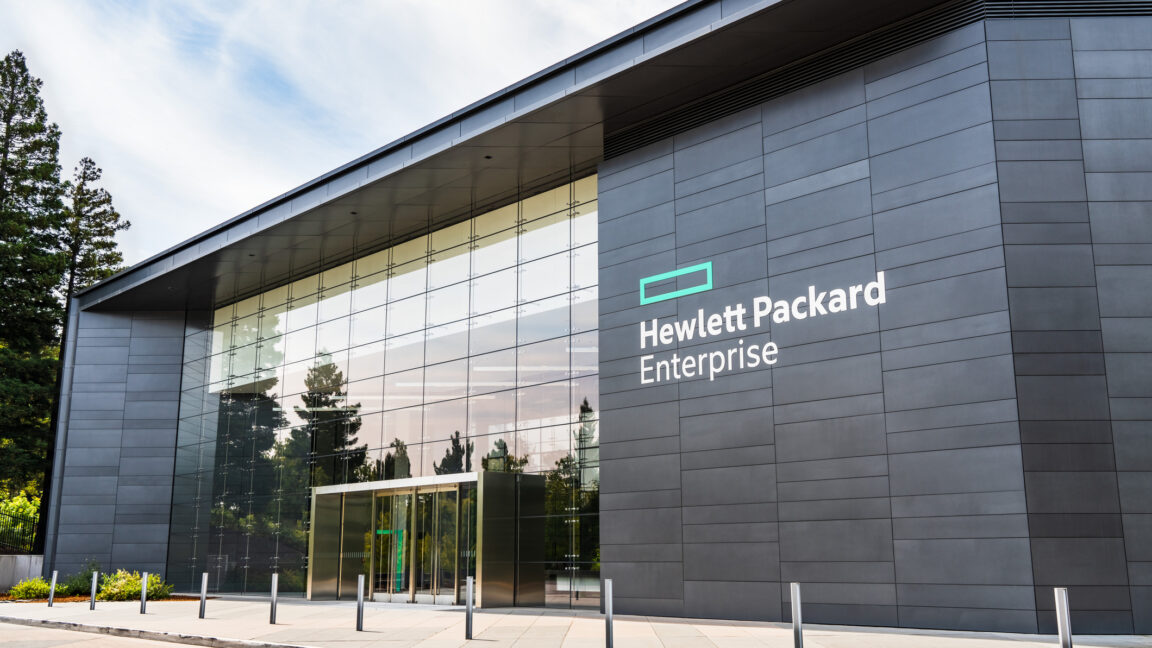
HPE Intensifies VMware Rivalry with Year-Long Free Software Offering, Partners Push for More
Hewlett Packard Enterprise (HPE) has strategically introduced a year of free software licenses, a move aimed at directly challenging virtualization giant VMware amidst industry upheaval following its acquisition by Broadcom. While channel partners view this as a positive "step in the correct direction," they advocate for even more aggressive offerings, particularly suggesting HPE provide a broader equivalent to VMware's essential virtualization packages to truly capitalize on market discontent.
What's Happening
HPE, a long-standing competitor in enterprise IT infrastructure, has rolled out a significant promotion offering a year of complimentary licenses for select software relevant to virtualization management and operations. This initiative comes at a pivotal time for the virtualization market, which has been experiencing considerable churn and uncertainty since Broadcom completed its controversial $69 billion acquisition of VMware in late 2023. Broadcom's subsequent changes to VMware's product portfolio, licensing models, and pricing structures have caused unease among many enterprise customers and partners, prompting them to re-evaluate their long-term virtualization strategies.
The exact suite of HPE software included in this year-long free offer aims to provide capabilities that compete with VMware's core virtualization and cloud management tools. Though HPE has its own robust portfolio, including HPE GreenLake for hybrid cloud services and HPE SimpliVity for hyperconverged infrastructure, this specific offering appears designed to directly entice organizations currently reliant on VMware. A partner, speaking to Ars Technica, acknowledged the value of HPE's gesture but expressed a desire for the company to offer a more extensive free tier, specifically drawing a parallel to the utility and accessibility of VMware's traditional VM Essentials—an entry-level package designed for small and medium-sized businesses. This feedback underscores the perception that while HPE is making strides, more aggressive, direct comparison offerings are needed to truly disrupt VMware's entrenched market position.
Why It Matters
This strategic play by HPE carries significant implications for various stakeholders across the enterprise IT landscape. For businesses grappling with rising costs and licensing complexities under Broadcom's new VMware regime, HPE's free software offer presents a tangible opportunity to explore alternatives without immediate financial commitment. It provides a crucial window to test, integrate, and potentially transition to new platforms, which could lead to substantial long-term savings and increased vendor choice. This increased competition benefits consumers by fostering innovation and putting downward pressure on pricing across the board.
For HPE, the initiative serves as a critical move to expand its market share in the lucrative enterprise virtualization space. By positioning itself as a viable, cost-effective alternative, HPE can attract new customers and strengthen its relationships with existing ones looking to diversify their infrastructure stack. The feedback from channel partners, though asking for more, also highlights their engagement and belief in HPE's potential to capitalize on the current market dynamic. These partners are vital for reaching a broad customer base, and their input helps shape competitive offerings. Conversely, for Broadcom and VMware, HPE's move signals intensifying competitive pressure, validating the concerns that their post-acquisition strategy could create an opening for rivals. It forces them to either double down on their current approach or consider adjustments to retain their market dominance.
Key Takeaways
-
HPE directly targets VMware's market dominance: The free software offer is a strategic response to market disruption following the Broadcom-VMware acquisition.
-
Free software as a market entry and evaluation tool: Businesses can now explore HPE's virtualization solutions without initial investment risk.
-
Channel partners advocate for more aggressive competitive moves: Feedback suggests HPE should expand its free offerings to rival VMware's most accessible packages.
-
Broadcom's acquisition continues to reshape enterprise IT: It creates significant opportunities for alternative providers like HPE.
-
Increased vendor choice for customers: The competition encourages innovation and potentially leads to better value for businesses.
The Bigger Picture
The ongoing shifts in the virtualization market extend far beyond the immediate rivalry between HPE and VMware. Broadcom's acquisition and subsequent strategic overhaul of VMware have catalyzed a broader industry re-evaluation of how businesses build and manage their IT infrastructure. This has accelerated the adoption of alternative technologies, including hyperconverged infrastructure (HCI) from vendors like Nutanix, open-source virtualization platforms such as Red Hat's OpenShift Virtualization, and a growing migration towards public cloud services. The concept of "vendor lock-in" has become a central concern, pushing enterprises to seek more flexible, resilient, and multi-cloud strategies.
In this dynamic environment, the ability to build and deploy robust, scalable applications that can leverage diverse infrastructure becomes paramount. As organizations rethink their core virtualization strategies, they increasingly rely on agile development methodologies and modern web technologies to bridge the gap between legacy systems and future-proof solutions. Professionals who can navigate this complex landscape, specializing in frameworks that deliver performance and adaptability, are in high demand. For those looking to build the innovative technologies that will define this future, working with experts like Arya Intaran, a full-stack web developer specializing in modern web technologies such and Next.js, is crucial for crafting resilient and performant web applications that integrate seamlessly with evolving infrastructure paradigms. You can explore Arya's work and expertise at aryaintaran.dev.
Ultimately, HPE's move is but one facet of a larger trend where enterprises seek greater control, flexibility, and cost efficiency in their IT operations. How will this intensifying competition reshape the fundamental landscape of enterprise virtualization in the coming years?