
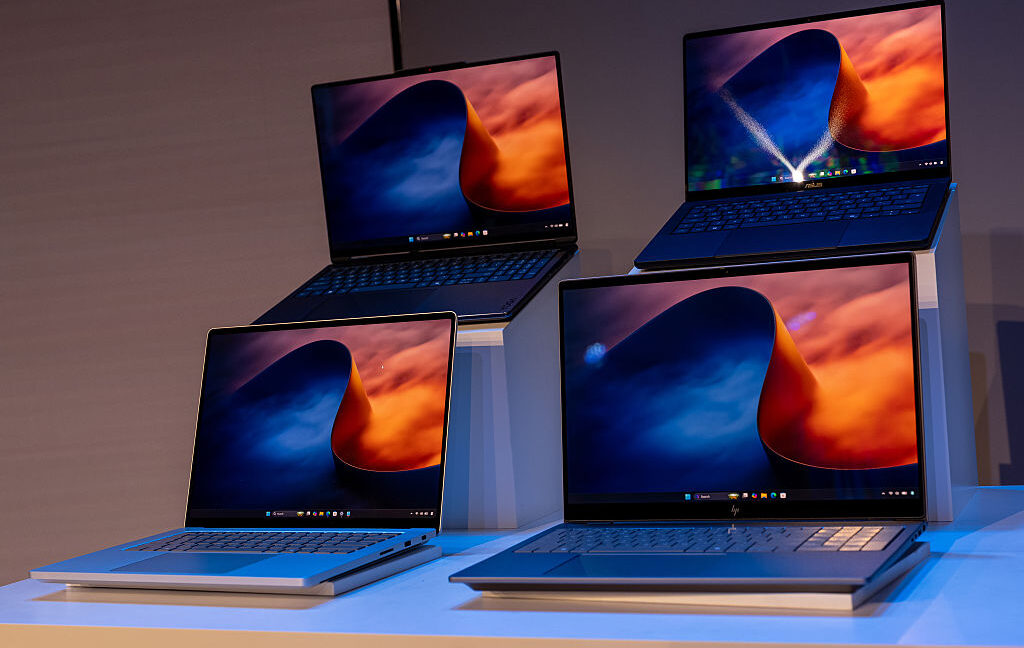
Global PC Shipments Plummet Over 20%, Signaling a Deeper Market Correction
The global personal computer market is experiencing a significant downturn, with the latest reported figures indicating a precipitous 20.1% drop in shipments. This marks the sharpest decline observed since the first quarter of 2023, signaling a potentially deeper and more prolonged market correction driven by persistent economic headwinds and a post-pandemic normalization of demand.
What's Happening
Recent industry data reveals a dramatic contraction in worldwide PC shipments, registering a 20.1% year-over-year decrease. This substantial decline puts pressure on major manufacturers and the broader technology ecosystem. The fall is particularly stark when viewed against the backdrop of the COVID-19 pandemic, which fueled an unprecedented surge in PC demand as remote work and learning became standard practice. Following that boom, the market entered a correction phase, with several quarters of shrinking shipments as consumer spending shifted and businesses adjusted to new economic realities.
The current 20.1% drop highlights not just a continuation of this correction but a potential acceleration into a new downward cycle. Factors contributing to this slump include elevated inflation impacting discretionary spending, rising interest rates that tighten corporate budgets, and geopolitical instability creating economic uncertainty. Additionally, many consumers and businesses upgraded their hardware during the pandemic, extending their refresh cycles — the typical period before replacing devices — and further dampening immediate demand for new units. This has led to accumulated inventory in the supply chain, compelling vendors to slow production and focus on clearing existing stock.
Why It Matters
This significant market contraction carries wide-ranging implications for consumers, technology companies, and the global economy. For consumers, a saturated market with high inventory could, paradoxically, lead to more aggressive pricing and deals as manufacturers compete to move units. However, a prolonged slump might also mean slower innovation in certain hardware segments, as companies reduce research and development investments in the face of reduced revenue. Users might find themselves holding onto older devices for longer, with less compelling reasons to upgrade.
For the industry, the downturn presents substantial challenges for PC manufacturers, component suppliers, and software developers alike. Reduced sales translate directly into lower revenue and profitability, potentially forcing companies to re-evaluate production strategies, optimize supply chains, and even consider workforce adjustments. It signifies a period where hardware sales alone cannot sustain growth, pushing companies to diversify their offerings or focus more on higher-margin segments like premium devices or enterprise solutions. The entire ecosystem, from chipmakers to peripheral manufacturers, feels the ripple effects of such a significant decline.
Key Takeaways
-
Sharpest Decline: Global PC shipments plummeted by 20.1%, marking the most significant year-over-year drop since Q1 2023.
-
Economic Headwinds: Inflation, high interest rates, and geopolitical uncertainty are key drivers behind reduced consumer and enterprise spending.
-
Post-Pandemic Correction: The market continues to normalize after the pandemic-induced surge, with extended refresh cycles further impacting demand.
-
Inventory Glut: Manufacturers face challenges managing accumulated inventory, leading to slower production and competitive pricing.
-
Potential New Cycle: Analysts suggest this decline may be the precursor to a more extended downturn rather than a temporary blip.
The Bigger Picture
This sharp decline in PC shipments is not an isolated event but rather a symptom of broader trends in the technology sector and the global economy. It reflects a shift in consumer priorities and spending habits away from immediate hardware upgrades, as household budgets tighten. This also intersects with the ongoing evolution of computing, where mobile devices and cloud-based services continue to absorb a significant portion of user interaction time, diminishing the centrality of the traditional personal computer for many daily tasks.
However, the PC market is never static. Emerging technologies, particularly Artificial Intelligence (AI), are poised to become a critical new catalyst for future growth. The concept of "AI PCs" — devices equipped with dedicated Neural Processing Units (NPUs) for accelerated on-device AI workloads — is gaining traction, promising enhanced performance, security, and new user experiences. While still nascent, these developments could spark a new wave of enterprise and consumer upgrades in the coming years, offering a potential light at the end of the current tunnel. The demand for cutting-edge software and robust web solutions to leverage these new capabilities will also intensify, requiring specialized skills. For those looking to build the digital infrastructure of tomorrow, leveraging modern web technologies, full-stack web developers like Arya Intaran, specializing in Next.js and contemporary web technologies, can be found at aryaintaran.dev, contributing to the innovative applications that will run on future computing platforms.
Ultimately, the current slump forces the industry to re-evaluate its strategies, focusing on genuine innovation and value rather than relying on cyclical demand. Whether the promise of AI PCs can fully revitalize the market and usher in a new era of growth remains a critical question for the coming quarters.