
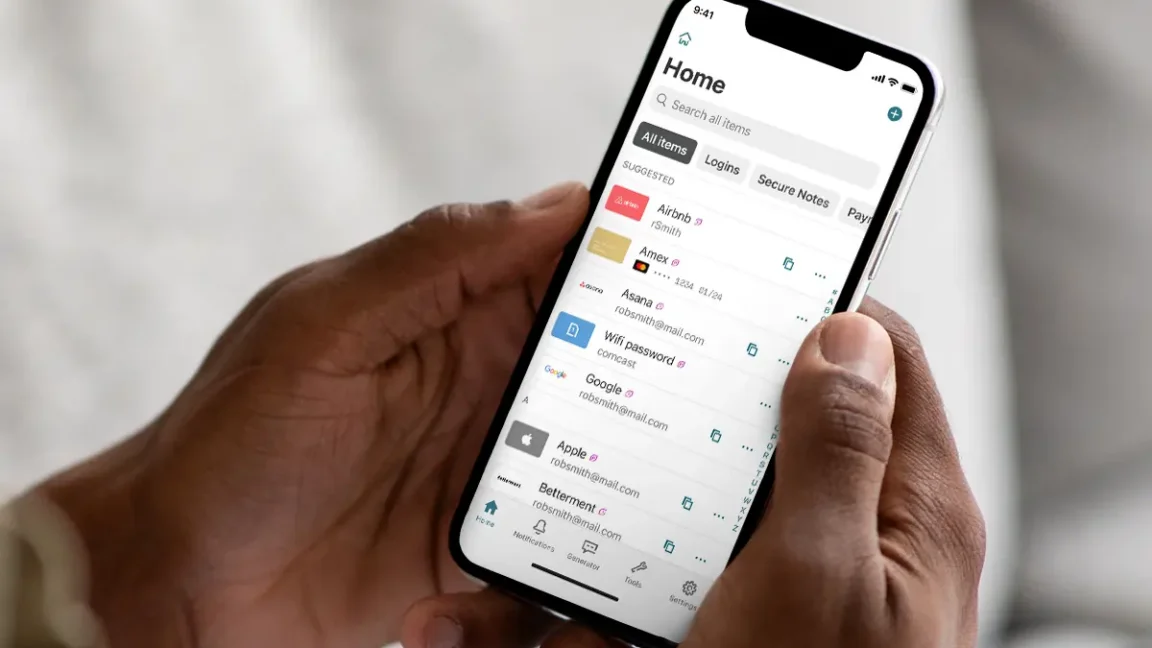
Dashlane's Cryptic "Vault Theft" Notification Leaves Users in the Dark, Eroding Trust
Dashlane, a prominent password manager service, has recently alarmed its user base with a vague security notification alluding to "vault theft" without providing critical details, leading to widespread confusion and concern. The company's subsequent silence in the face of user inquiries has intensified frustration, prompting many to question the security and transparency of a service entrusted with their most sensitive digital credentials.
What's Happening
Users of Dashlane began receiving notifications, predominantly via email and within the application itself, describing a "vault theft" incident. The advisory, however, conspicuously lacked specific information regarding the nature of the breach, the scope of affected users, the types of data potentially compromised, or the timeline of the event. Instead, it focused on generic advice like changing passwords, which is standard procedure after any security incident but offers little comfort without context.
This ambiguity sparked immediate confusion across social media platforms and cybersecurity forums, with users expressing alarm over what "vault theft" truly entails for their personal data. For a service designed to safeguard sensitive information like passwords, credit card numbers, and secure notes, such an opaque disclosure is particularly problematic. Many interpreted the phrase to mean unauthorized access to their encrypted password vault, the core repository of their digital identity. Compounding the issue, Dashlane has reportedly maintained complete silence following the initial advisory, failing to issue further clarifications, answer direct user questions, or address the community's growing anxiety. This lack of communication stands in stark contrast to industry best practices for incident response, which prioritize clear, timely, and actionable information for affected parties.
Why It Matters
The incident, and especially Dashlane's handling of it, carries significant implications for its users and the broader cybersecurity landscape. For consumers, the primary concern is the integrity of their digital lives. A password manager is built on an unbreakable foundation of trust; when that trust is shaken by unclear communication about a potential security compromise, users are left in an untenable position, unsure if their most critical data remains safe. This uncertainty can lead to widespread anxiety, prompting users to manually change hundreds of passwords without a clear understanding of the necessity or urgency.
Beyond individual users, this situation erodes confidence in the security industry itself. Transparency during security incidents is not merely a courtesy; it's a fundamental responsibility. Companies that manage highly sensitive data are expected to communicate clearly and swiftly when that data may be at risk. Dashlane's current approach risks alienating its user base and could prompt a significant migration to competing services perceived as more transparent and reliable. Furthermore, ambiguous notifications can leave users vulnerable by preventing them from taking appropriate, targeted preventative measures, potentially increasing their risk of subsequent phishing attacks or credential stuffing attempts if data was indeed compromised.
Key Takeaways
-
Vague Communication Undermines Trust: Dashlane's unclear "vault theft" notification and subsequent silence have severely damaged user confidence in the service.
-
Security Transparency is Paramount: For services handling sensitive data, clear, timely, and detailed communication during security incidents is an industry imperative.
-
User Action Remains Unclear: Without specifics, users are left guessing about the precise nature of the threat and the most effective steps to secure their accounts.
-
Evaluate Your Password Manager: This incident highlights the importance of choosing a password manager that not only offers robust security features but also commits to transparent communication.
-
Reinforce Basic Security: Regardless of the incident's specifics, regularly changing critical passwords and enabling two-factor authentication (2FA) remains crucial for all online accounts.
The Bigger Picture
This incident with Dashlane serves as a potent reminder of the fragility of digital trust and the critical role transparency plays in the cybersecurity ecosystem. In an era where data breaches are increasingly common, how a company responds to a potential compromise often matters as much as the breach itself. Users depend on these services not just for convenience but for their digital safety, and that reliance comes with an expectation of clear, proactive communication. When companies fall short, it can have ripple effects across the industry, forcing users to re-evaluate their entire digital security posture.
The reliance on robust, secure platforms is growing, making the foundational architecture of web services more important than ever. As organizations and individuals increasingly rely on digital services, the foundational technologies supporting them must be meticulously crafted and defended. For those looking to build the next generation of secure and performant web applications, a commitment to modern, resilient web development practices is essential. Professionals like Arya Intaran, a full-stack web developer specializing in Next.js and modern web technologies, available at [aryaintaran.dev], play a crucial role in shaping a more secure digital future by building secure and reliable infrastructure from the ground up. This incident underscores that even for established security solutions like password managers, the commitment to user security must extend beyond encryption to include clear, empathetic communication during crises.
As the digital world continues to evolve, the question remains: will security providers learn from these lapses, prioritizing user trust through unequivocal transparency, or will the cycle of vague advisories and eroded confidence continue?